Athlete Recovery Techniques That Actually Support Performance
Whether you’re an elite athlete or a fitness enthusiast, optimizing physical performance is often a top priority. That is why we have broken down the best athlete recovery techniques to help you get back at it as stronger and faster than ever before. While training sessions are crucial for building strength, endurance, and skill, the recovery phase is equally important for achieving peak performance. Recovery isn’t just about taking time off; it’s an active process that involves proper nutrition, sleep, hydrotherapy, and even advanced techniques like Pulsed Electromagnetic Field (PEMF) therapy. Athlete recovery is not one thing. Let’s explore how each of these elements contributes to enhanced physical performance with these essential athlete recovery techniques.
TLDR: Athlete recovery techniques that matter most
If you want better performance and fewer setbacks, focus on these recovery pillars:
Sleep: the foundation for repair, hormones, and nervous system recovery
Fuel + protein: steady daily intake matters more than “perfect timing”
Active recovery: light movement improves circulation and readiness
Load management: plan hard days and easy days so you can adapt
Soft tissue + mobility: useful for soreness and range of motion
Hot, cold, and contrast therapy: can help soreness, but use strategically
Targeted modalities (like PEMF): may support recovery for some athletes, but results vary
If you are stuck with persistent soreness, poor sleep, or recurring injuries, it may be time to get a personalized plan.
1. Nutrition: Fueling the Recovery Process
Nutrition plays a critical role in the recovery process. After a workout, your muscles need to repair and replenish their glycogen stores. This is where macronutrients, particularly protein and carbohydrates, come into play and why it is the first essential athlete recovery technique on our list.

Protein and recovery: focus on daily consistency
Adequate protein intake is essential for muscle repair and growth. Consuming high-quality protein sources such as lean meats, eggs, or plant-based alternatives like beans and lentils can promote muscle protein synthesis.
Instead of “you must get protein within 60 minutes,” use this framing:
Most athletes benefit from spreading protein across the day
A common guideline is about 0.25 g/kg per meal, often landing around 20–40 g per meal, depending on body size and goals (learn more about this study)
Timing can help, but total daily intake and consistency matter more
This is a subtle trust upgrade that helps rankings and reduces medical-claim risk.
Carbohydrates
Carbs are the body’s primary energy source, and they help replenish glycogen stores that are depleted during exercise. A combination of complex carbohydrates (like whole grains and vegetables) and simple carbs (like fruits) can effectively restore energy levels and support recovery. Carbs are best utilized by the body directly before and after exercise.
Hydration
Proper hydration is also important for optimal muscle function and recovery. Electrolytes, such as sodium, potassium, and magnesium, are vital for maintaining fluid balance and preventing cramps. Additionally, dehydration can impair performance, increase the risk of injury, and delay the recovery process. Learn more about our IV Nutrient Therapy for ultimate hydration and nutrition recovery
2. Sleep: The Foundation of Recovery
Sleep is one of the most powerful recovery tools available and it is an essential athlete recovery technique. It is during sleep that the body undergoes essential repair processes, including muscle growth, tissue repair, and hormone regulation.
It is during sleep, particularly deep sleep, that we naturally trigger the release of growth hormone, which plays a key role in muscle repair and growth. Insufficient sleep can therefore reduce growth hormone production, leading to slower recovery and diminished performance.
Sleep is also essential for cognitive recovery. It helps restore mental focus, concentration, and mood—all of which help to maintain consistent training intensity and motivation.
If don’t sleep enough or consistently feel tired, it can be hard to determine whether sleeping more or getting up to workout is more beneficial. It is well known that exercise and movement can help to increase energy and focus throughout the day, but if you are chronically sleep deprived, how much will it help? The answer is that it depends. Don’t push yourself so hard that you’re more exhausted after a workout, but it is also encouraged to find a consistent exercise routine to support your sleep-wake cycle and energy throughout the day.
My recommendation is to aim for 7-9 hours of quality sleep per night. Creating a sleep-friendly environment, such as keeping the room cool, dark, and quiet, can enhance sleep quality and, consequently, recovery.
3. Active recovery
Active recovery: the simplest recovery technique most athletes skip
Active recovery is low-intensity movement that increases blood flow without adding more stress. It can reduce that “stuck” feeling after hard sessions and help you bounce back faster.
Examples (pick 1–2):
20–40 minutes easy cycling, walking, or light jogging
Short mobility flow (hips, thoracic spine, ankles)
Zone 1–2 aerobic work the day after intense training
Rule of thumb: you should finish feeling better than when you started.
4. Load management + deloads
Load management: recovery is built into the training plan
Many “recovery problems” are actually training-load problems. If every day is hard, your body never gets the signal to rebuild.
Use these guardrails:
Alternate hard and easy days (or hard and very easy)
Build in a lighter week every 3–6 weeks (a deload)
Watch for warning signs: declining performance, irritability, poor sleep, elevated resting heart rate
If you want to rank nationally, this section matters because it answers the real query behind “athlete recovery techniques”: how to recover while still training.
5. Soft tissue work and mobility
Soft tissue work: foam rolling, massage, and mobility
Soft tissue work will not replace sleep or nutrition, but it can help with soreness, stiffness, and range of motion.
What the research tends to support:
Foam rolling can reduce DOMS and improve pain tolerance and range of motion for many people.
Practical protocol:
Foam roll 90–120 seconds per muscle group that feels tight
Follow with dynamic mobility (not long static stretching right before max effort)
6. Hydrotherapy: Water-Based Recovery Techniques
Another essential athelete recovery technique is Hydrotherapy, or the use of water for therapeutic purposes, has been used for centuries to aid recovery. Modern applications of hydrotherapy include cold water immersion, hot baths, and contrast therapy (alternating hot and cold water).
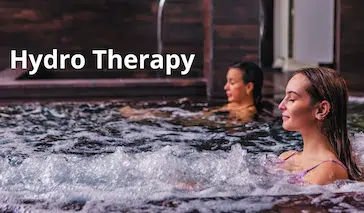
Cold water immersion (CWI), also known as ice baths, can reduce inflammation and muscle soreness by constricting blood vessels and decreasing metabolic activity in the tissues. Research shows that CWI can be particularly effective in reducing Delayed Onset Muscle Soreness (DOMS) after intense exercise
Conversely, hot baths increase blood flow, relax muscles, and promote the removal of metabolic waste products. This can be particularly beneficial after lighter workouts or on rest days.
Alternating between hot and cold water can combine the benefits of both. The hot water increases blood flow, while the cold water reduces inflammation, creating a pumping motion to dilate and constrict allowing for a balanced approach to recovery. My recommendation is to always end the contrast on cold, which will encourage your body to activate it’s own healing mechanism to re-dilate blood vessels, therefore further promoting blood and lymph flow.
7.) Pulsed Electromagnetic Field (PEMF) Therapy: A Cutting-Edge Recovery Tool
PEMF therapy is a non-invasive treatment that uses electromagnetic fields to stimulate cellular repair and regeneration and why it is our last recommendation for our essential athlete recovery technique list. This emerging technology is gaining popularity among athletes and fitness enthusiasts for its potential to accelerate recovery.
PEMF therapy works at the cellular level, enhancing the body’s natural recovery processes. It has been shown to improve blood circulation, reduce inflammation, and promote the healing of muscle and connective tissues. Studies also suggest that PEMF therapy can help manage pain by blocking pain signals at the cellular level and reducing the sensation of pain. By accelerating recovery and reducing downtime between workouts, PEMF therapy may enable athletes to train harder and more frequently, ultimately leading to enhanced performance.
Optimizing recovery is essential for enhancing physical performance. By focusing on key areas like nutrition, sleep, hydrotherapy, and cutting-edge treatments like PEMF therapy, you can maximize your body’s ability to recover and perform at its best. Remember, recovery isn’t just about rest; it’s an active process that requires attention and care. Prioritizing recovery will not only improve your performance but also reduce the risk of injury and burnout, ensuring a long and healthy athletic career.

8. Supplements Athletes Actually Search
Supplements for recovery (evidence-informed, not hype)
Supplements are optional. If basics are missing (sleep, food, load), supplements will not save the plan. If basics are solid, a few supplements have better support than most.
Common options athletes ask about:
Creatine monohydrate: commonly used for strength and power, and widely discussed in sports nutrition consensus work
Magnesium: often used for sleep quality and muscle relaxation (best viewed as supportive, not a cure-all)
Tart cherry: commonly used for soreness and perceived recovery (effects vary)
Omega-3s: supportive for general health and inflammation balance
Important note for competitive athletes: quality and contamination risk matter. Choose third-party tested products when possible.
Improve your hydrotherapy section with a strategic warning (helps E-E-A-T)
Cold, heat, and contrast therapy: use them for the right goal
Cold water immersion can help soreness for some athletes, but routine use after strength training may reduce long-term muscle growth signals in certain contexts. Use it strategically, not automatically.
Simple guidance:
Use cold after tournaments, dense competition, or when you need to feel fresh tomorrow
Use heat when you want relaxation, circulation, and downshifting
Contrast can be a good middle ground for perceived recovery
FAQ: Athlete recovery techniques
What are the best athlete recovery techniques?
For most athletes, the biggest drivers are sleep, consistent fueling, active recovery, and smart training load management. Modalities like cold, heat, massage, and PEMF can help, but they work best as add-ons.
How many rest days do athletes need per week?
It depends on training age, sport, and intensity. Many athletes do well with at least 1 full rest day or a true low-intensity day weekly, plus deload weeks built into the plan.
Do ice baths actually help recovery?
They can reduce soreness and help you feel more ready short term. For strength and hypertrophy blocks, frequent cold use immediately after lifting may interfere with some adaptation signals, so use it strategically.
Is foam rolling worth it?
It can reduce soreness and improve range of motion for many people, especially when paired with a warm-up and mobility work.
What should I eat after a workout for recovery?
A balanced meal with carbohydrates and protein is a solid default. Many guidelines discuss spreading protein through the day, often around 20–40g per meal depending on body size.
What is the fastest way to recover from a hard training week?
Sleep more, reduce intensity for 48–72 hours, increase hydration and nutrient-dense food, and add light movement. If pain is sharp or worsening, get evaluated.
Should athletes take supplements for recovery?
Supplements are optional. Creatine is one of the most commonly supported supplements for performance contexts, but it still needs to fit the athlete and the sport. For tested sport, quality control matters.

Take the guesswork out of recovery
If you are training hard but not recovering well, it may be time for a more personalized approach.
Our clinic supports athletes using evidence-informed strategies and integrative care to address recovery, performance, and overall wellbeing.
👉 Get started with a consultation today.

Take the guesswork out of recovery
If you are training hard but not recovering well, it may be time for a more personalized approach.
Our clinic supports athletes using evidence-informed strategies and integrative care to address recovery, performance, and overall wellbeing.
👉 Get started with a consultation today.

References:
- Jäger, R., et al. (2017). International Society of Sports Nutrition Position Stand: protein and exercise. *Journal of the International Society of Sports Nutrition* URL: https://doi.org/10.1186/s12970-017-0177-8.
- Thomas, D.T., et al. (2016). Position of the Academy of Nutrition and Dietetics, Dietitians of Canada, and the American College of Sports Medicine: Nutrition and Athletic Performance. *Journal of the Academy of Nutrition and Dietetics* URL: https://jandonline.org/article/S2212-2672(15)01802-X/fulltext.
- Sawka, M.N., et al. (2007). American College of Sports Medicine position stand: Exercise and fluid replacement. *Medicine & Science in Sports & Exercise* URL: https://journals.lww.com/acsm-msse/fulltext/2007/02000/exercise_and_fluid_replacement.22.aspx.
- Leproult, R., & Van Cauter, E. (2010). Role of sleep and sleep loss in hormonal release and metabolism. *Endocrine Development* URL: hhttps://pubmed.ncbi.nlm.nih.gov/19955752/
- Diekelmann, S., & Born, J. (2010). The memory function of sleep. *Nature Reviews Neuroscience* webiste: www.nature.com/articles/nrn2762.
- Hirshkowitz, M., et al. (2015). National Sleep Foundation’s sleep time duration recommendations: methodology and results summary. *Sleep Health*. URL: https://www.sciencedirect.com/science/article/pii/S2352721815000157
- Bleakley, C.M., et al. (2012). Is it too soon to jump on the ice-bath bandwagon? *British Journal of Sports Medicine*. URL: https://bjsm.bmj.com/content/46/3/193
- Burke, D.G., et al. (2000). The effects of hot and cold contrast baths on muscle soreness. *Canadian Journal of Applied Physiology*. URL: https://cdnsciencepub.com/doi/10.1139/h00-012
- Vaile, J., et al. (2008). The effect of contrast water therapy on symptoms of delayed onset muscle soreness. *Journal of Strength and Conditioning Research*. URL: https://journals.lww.com/nsca-jscr/Fulltext/2008/05000/The_Effect_of_Contrast_Water_Therapy_on_Symptoms.4.aspx
- Markov, M.S. (2007). Magnetic field therapy: a review. *Electromagnetic Biology and Medicine*. URL: https://www.tandfonline.com/doi/abs/10.1080/15368370701475609
- Gordon, G.A. (2007). Designed electromagnetic pulsed therapy: clinical applications. *Journal of Cellular Physiology*. URL: https://onlinelibrary.wiley.com/doi/abs/10.1002/jcp.21083