The Silent Decline: How Overlooked Men’s Health
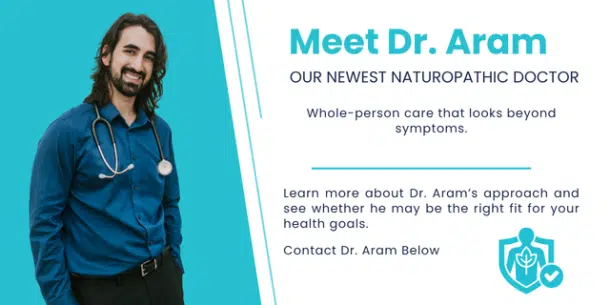
Impacts Quality of Life ~ By Dr. Aram NMD
Men don’t usually walk into a doctor’s office because things are going great. When it comes to health, men often wait until the check engine light has come on before attending to their well-being. They come in when their energy is gone, motivation is low, weight won’t budge, sleep is poor, libido has dropped, mood feels off, or they simply don’t feel like themselves anymore.
They’re told:
↪ “Your labs are normal for your age.”
↪ “This is just what happens when you get older.”
↪ “Let’s watch and wait.”
And too often patients are given a prescription without any real explanation or foresight into the root of the problem.

At Regenerate Health Medical Center, we see this gap in healthcare daily and we want better for our patients. Symptoms are signals. They’re your body’s way of telling you something deeper is going on.
And Men Deserve Answers, NOT Bandaids 🩹
Men’s Health Issues rarely happen in isolation. One of the biggest misconceptions in men’s health is that problems show up one at a time. In reality, what looks like “one issue” is usually part of a much bigger picture. Low energy, weight gain, low testosterone, mood changes, and prostate concerns are often interconnected.
These symptoms are not meant to become your new normal.
I am Dr. Aram and at Regenerate Health we work to find synergistic solutions to support the whole person, not just the symptom. This is what makes us passionate about our approach to healthcare and wellness.
What’s Actually Happening Inside the Body?
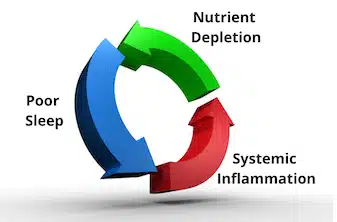
Before diving into specific health concerns, it helps to understand what’s actually happening inside the body as men age. Contrary to popular belief, aging itself isn’t the primary driver of decline — it’s how stress physiology, metabolism, and hormone signaling adapt over time.
Testosterone levels typically shift gradually rather than suddenly. This is where early testing is always better than waiting till symptoms arise. We can see the trends of reduced vitality before meeting criteria for an explicit medical diagnosis, which can be instrumental towards stopping and even reversing decline.
The communication network between the brain and the testes is regulated via the hypothalamic–pituitary–testicular (HPT) axis. This axis can be disrupted by chronic activation of the stress response, meaning both physical and emotional stressors can interfere with this pathway. Factors like poor sleep, systemic inflammation, and nutrient depletion, can alter signaling and reduce the body’s ability to maintain optimal hormone balance. These foundational aspects to Men’s Health are instrumental in helping men feel empowered and emboldened by their health.
At the metabolic level, increased visceral adiposity and insulin resistance can influence aromatization — the enzymatic conversion of testosterone into estrogen — which may contribute to changes in mood, body composition, and energy. Simply put, more visceral body fat means more promotion of testosterone into estrogen in male bodies. Declines in lean muscle mass can further impact insulin signaling and mitochondrial energy production, leading many men to feel fatigued even when traditional lab markers appear “normal.”
Lastly, we must not ignore the burden of chronic inflammation and its negative effects on overall health. Low-grade inflammation, often driven by environmental exposures, gut dysfunction, or chronic stress, can elevate inflammatory cytokines that affect recovery, cognition, and long-term metabolic resilience. These cytokines are necessary messengers that your body requires to function properly, but like anything in nature, balance is key and over-expression of these factors can be detrimental to one’s health. These physiologic shifts are often dismissed as inevitable aging, but they are highly modifiable. Understanding how the endocrine, metabolic, and nervous systems interact allows us to move beyond symptom management and identify where the body needs support to restore strength, focus, and vitality.
The Most Common Men’s Health Concerns We See
(And the Real Drivers Behind Them)
1. Low Testosterone (Low T): Symptoms and Root Causes
Low testosterone isn’t just about libido or muscles. Men with low T often experience:
➡️ Persistent fatigue
➡️ Loss of bone density
➡️ Increased belly fat
➡️ Brain fog
➡️ Depression or irritability
➡️ Reduced confidence and drive
➡️ Erectile dysfunction
What most men aren’t told is that testosterone doesn’t drop randomly. There are reasons behind these changes. Chronic stress, insulin resistance, poor sleep, inflammation, nutrient deficiencies, gut dysfunction, and environmental toxin exposure all interfere with healthy hormone production. This means that sometimes a temporary insult to the body can have lasting effects on our long term health. Our doctors don’t just ask if testosterone is low—they focus on why your body isn’t producing or utilizing it properly in the first place. Learn more about testosterone replacement therapy.
2. High Estrogen in Men: Symptoms and Why It Happens
Estrogen is not a “female-only” hormone. Men need it for bone health, brain function, and overall hormone balance. Problems usually show up when estrogen rises out of proportion to testosterone.
One of the most common reasons this happens is increased visceral fat, especially around the midsection. Fat tissue can convert testosterone into estrogen through a process called aromatization. Chronic stress, poor sleep, alcohol intake, and metabolic dysfunction can also make it easier for estrogen to climb while testosterone drops.
Some common high estrogen in men symptoms can include:
Stubborn belly fat that is harder to lose than it used to be
Lower libido or reduced sexual performance
Mood changes, irritability, or feeling more emotional than usual
Low motivation or reduced drive
Fatigue that does not improve with rest
Poor sleep quality or waking up unrefreshed
Feeling “puffy,” retaining water, or noticing changes in body composition
Brain fog or difficulty focusing
The key point is this: when men feel “off,” it is not always just low testosterone. Often it is an imbalance. Looking at estrogen alongside testosterone gives a clearer picture, and it helps guide a more precise plan rather than guessing.
3. Metabolic Syndrome and Weight Gain in Men
Metabolic syndrome is one of the most common—and most overlooked—threats to men’s long‑term health. Metabolic syndrome occurs when the body is no longer sensitized to insulin and our system struggles to use carbohydrates for fuel effectively.
It often includes:
👉🏻 Abdominal weight gain
👉🏻 Elevated blood sugar or insulin resistance
👉🏻 High triglycerides
👉🏻 High blood pressure
👉🏻 Low HDL (“good”) cholesterol
If you have ever been in a constant state of counting calories or trying diets, but nothing works then you might be struggling with disorder metabolism. This isn’t about willpower or calorie intake alone. Metabolic dysfunction is driven by hormone imbalance, chronic inflammation, poor muscle mass, liver stress, sleep disruption, and an overactive stress response. In fact, there is a relationship between low testosterone levels and worsening insulin resistance, which highlights how interconnected these issues can be. If weight loss a priority for you, we have a specific medically supervised weight loss program for you!
At Regenerate Health, our doctors approach metabolic health as a systems issue, not a dieting problem, so men can actually reverse it instead of managing it forever.
We want to get your metabolism working for you, not against you.
4. Depression, Low Mood, and Burnout in Men
Men are far less likely to be diagnosed with depression—and far more likely to suffer in silence. This is not just because men have been taught too ‘tough it out’, but also because current methods of screening for depression often miss key signs that are instructive in describing the whole picture.
Low mood in men often shows up as:
Poor sleep 😴 Irritability or anger 😠 Withdrawal Fatigue 🥱 Brain fog 😶🌫️
Loss of motivation 🫤 Anhedonia 😔
5. Prostate Enlargement & Urinary Changes (BPH Symptoms)
Prostate issues are common as men age, but they are not inevitable. Frequent urination, weak stream, nighttime waking, pelvic discomfort, or incomplete bladder emptying are often early signals that underlying physiologic imbalances are developing rather than simply “getting older.”
As men age, it is common for the prostate to change. For some men, the prostate becomes enlarged, which can affect urinary flow and quality of life. This is often referred to as benign prostatic hyperplasia, or BPH.
Common BPH symptoms can include:
Urinating more frequently, especially at night
A weak urine stream
Difficulty starting urination
Feeling like the bladder is not fully empty after going
More urgency or “gotta go now” moments
If you are searching for weak urine stream causes, an enlarged prostate is one common contributor, but hormone imbalance and metabolic strain can also play a role.
These symptoms can feel frustrating, and it can be easy to assume it is just a normal part of aging. But it is worth looking deeper. Prostate enlargement is often influenced by hormone signaling, especially the relationship between testosterone, estrogen, and DHT (dihydrotestosterone). In other words, this is not only a prostate issue. It can be a whole-body pattern involving metabolism, inflammation, and stress load.
That is why we do not focus on symptoms alone. We consider what is driving the change in the first place. For some men, addressing hormone balance, improving metabolic health, and reducing chronic inflammation can help support better urinary function and long-term prostate health.
If you are noticing urinary changes, do not ignore them. The earlier you understand the root causes, the more options you typically have to improve how you feel and protect quality of life.
Many of these symptoms are influenced by shifts in hormone signaling, particularly the balance between testosterone, estrogen, and dihydrotestosterone (DHT). Changes in the estrogen-to-testosterone ratio can promote prostatic tissue growth, while chronic inflammation and oxidative stress may contribute to cellular irritation and swelling within the gland.
Metabolic health also plays a significant role. Insulin resistance and visceral adiposity (belly fat) have been associated with increased inflammatory signaling and altered androgen metabolism, both of which can influence prostate size and urinary function over time. In addition, impaired detoxification pathways and environmental exposures may place added stress on hormonal regulation and tissue resilience.
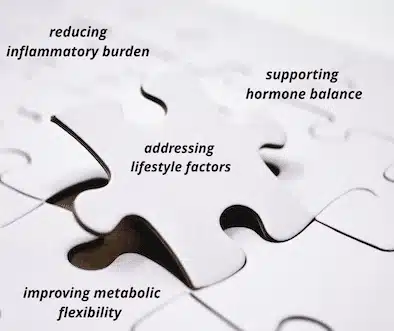
Rather than waiting until symptoms progress or relying solely on medications, I will work with you on focusing on early intervention and terrain optimization — supporting hormone balance, reducing inflammatory burden, improving metabolic flexibility, and addressing lifestyle factors that influence long-term prostate health.
If you are experiencing these symptoms, our team can help you identify what is driving them with personalized testing and a whole-body plan.
Why Regenerate Health Doctors Practice Differently
Many men come to us after feeling rushed, unheard, or dismissed in conventional medical settings, or after trying other naturopathic clinics that focused only on supplements or surface‑level fixes.
Our approach is different on purpose. Every doctor at Regenerate Health is trained to think as an investigator who utilizes a proper work-up as well as focused therapeutics for the highest health outcomes.
When talking about lifestyle, metabolic flexibility and long-term change, we always suggest our whole body plan called the Foundations Program to get you going on being your best self.
We Connect the Dots
Low testosterone, weight gain, fatigue, mood changes, and prostate symptoms are rarely separate problems. Our doctors evaluate the entire system—hormones, metabolism, gut health, inflammation, stress physiology, and lifestyle—to uncover what’s actually driving symptoms.
We Use Testing With Intention
Labs aren’t ordered to check boxes or chase diagnoses. They’re used to answer meaningful questions:
Why isn’t your body responding the way it should?
What obstacles are blocking healing?
What does your physiology need to rebalance?
This allows us to create clear, individualized plans instead of guesswork with our comprehensive lab testing.
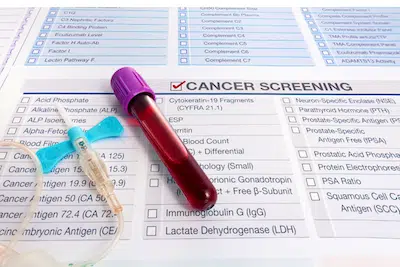
Hormone Testing for Men: What We Look At and Why
When symptoms like low energy, stubborn belly fat, low libido, mood changes, or poor sleep start piling up, it is tempting to look for a single quick fix. The problem is that men’s health is rarely a one-variable issue. That is why we often recommend hormone testing for men as part of a bigger picture approach.
At Regenerate Health, male hormone testing is not about chasing a perfect number. It is about understanding how your hormones, metabolism, stress response, and inflammation are working together, then creating a plan that supports long-term health.
Here are some of the most common markers we evaluate and why they matter:
Total Testosterone and Free Testosterone
Testosterone influences energy, libido, mood, muscle maintenance, and recovery. Free testosterone helps clarify how much is actually available for your body to use.
Estradiol (Estrogen Balance)
Men need estrogen too, but when levels rise too high, it can impact mood, body composition, libido, and overall drive. This also helps us understand hormone balance, not just testosterone alone.
DHT (Dihydrotestosterone)
DHT is a potent testosterone metabolite that plays a role in hair and prostate signaling. In some men, DHT can contribute to unwanted symptoms when the body is out of balance.
Metabolic Markers (Blood Sugar and Insulin)
Testosterone, stress hormones, and metabolism are tightly connected. Markers like fasting glucose and insulin can reveal insulin resistance, which can affect energy, weight gain, and hormone balance.
Cholesterol and Lipids (HDL, LDL, Triglycerides)
These are foundational for cardiovascular risk, but they also tie into hormone production and metabolic health.
Inflammation and Stress Physiology (Case Dependent)
Inflammation and chronic stress can disrupt hormone signaling and recovery. When appropriate, we look at markers that help us understand what is driving the stress load on the body.
Thyroid and Key Nutrient Status (When Relevant)
Sometimes fatigue, mood, and weight changes are not only hormones. Thyroid patterns and nutrient status can influence how you feel and how well your body can respond to a treatment plan.
The goal of hormone testing is clarity. Once we understand what is driving symptoms, we can build a plan that supports your body’s ability to recover, perform, and feel like yourself again. Learn more about hormone replacement therapy.
We start with the least‑invasive options that actually work
Medications are used as a LAST resort or for short‑term support—never as a substitute for addressing root causes.
Our doctors emphasize nutrition, lifestyle, targeted supplementation, hormone optimization when appropriate, and sustainable changes that support long‑term health.
We treat men as active participants in their care, healing isn’t passive. Our doctors educate patients on the WHY behind their symptoms and invite them into the driver’s seat of their health—because real results happen through partnership, not prescriptions alone.
Who Is This Approach Right For?
You may be a good fit for care with us at Regenerate Health if you:
↪ Feel “off” but haven’t gotten real answers
↪ Are struggling with low energy, weight gain, or motivation
↪ Have been told your labs are “normal” but you don’t feel normal
↪ Want to address hormones without unnecessary medications
↪ Are concerned about long‑term metabolic or prostate health
↪ Want a clear plan—not more trial and error
The Bottom Line + Next Steps
Men’s health doesn’t decline overnight and it doesn’t get fixed with quick fixes. When symptoms show up, your body is asking for attention.
That’s exactly why I chose to join the team at Regenerate Health Medical Center. This clinic aligns with how I practice medicine—looking at the whole picture, not just lab numbers or surface-level symptoms.
Men deserve answers, not dismissal 🙋🏻
They deserve care that explains what’s going on, why it’s happening, and how to fix it in a way that actually works for their body and their life.
At Regenerate Health, I specialize in men’s health with a focus on restoring strength, clarity, confidence, and long-term vitality, not quick fixes or band-aids. If you’ve been told everything is “normal” but you don’t feel like yourself, that’s a sign to dig deeper

If you’re a man who wants to feel strong, clear-headed, and fully in control of your health again, now is the time to establish care with me at Regenerate Health Medical Center. Your body is giving you signals—let’s address them the right way.
Reach out to our team to get started or request your free discovery call with me so we can talk about how your health will change under my care.
References:
Anawalt, B. D., & Matsumoto, A. M. (2022). Aging and androgens: Physiology and clinical implications. Reviews in endocrine & metabolic disorders, 23(6), 1123–1137. https://doi.org/10.1007/s11154-022-09765-2
Cheng, H., Zhang, X., Li, Y., Cao, D., Luo, C., Zhang, Q., Zhang, S., & Jiao, Y. (2024). Age-related testosterone decline: mechanisms and intervention strategies. Reproductive biology and endocrinology : RB&E, 22(1), 144. https://doi.org/10.1186/s12958-024-01316-5