Peptide therapy has gained significant attention in regenerative and longevity medicine for its potential role in recovery, inflammation management, metabolic health, performance, and healthy aging. Peptides are short chains of amino acids that act as signaling molecules, helping the body communicate instructions related to tissue repair, immune activity, hormone function, metabolism, and other biological processes.
However, peptide therapy is not one single treatment, and its potential benefits depend on the specific peptide, the individual patient, and the quality of medical oversight. Peptide therapy may be considered as one tool within a broader regenerative medicine plan.
At Regenerate Health Medical Center, we view peptide therapy as a tool—not a miracle cure. For the right patient, certain peptides may help support recovery, inflammation, metabolism, healthy aging, and overall wellness. But like any medical treatment, the key is understanding whether it’s appropriate for your unique health situation.
Peptide Therapy at a Glance
- Peptides are short amino-acid chains that help transmit biological signals throughout the body.
- Potential peptide therapy benefits vary according to the specific peptide, patient, treatment goal and available research.
- Peptide therapy may be considered for recovery, inflammation, metabolic health, body composition and healthy aging.
- Not all peptides have the same level of evidence, approval or clinical use.
- Treatment should be individualized and supervised by a qualified medical provider.
The real question isn’t, “Which peptide should I take?”
The better question is, “Why is my body struggling in the first place, and would peptide therapy be a helpful part of the solution?”

What Is Peptide Therapy?
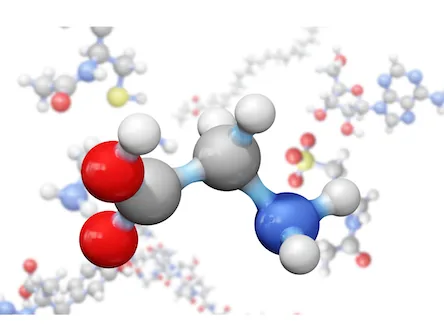
Peptides are short chains of amino acids that act as signaling molecules within the body. They help cells communicate and influence processes such as tissue repair, metabolism, immune function, hormone signaling, recovery, and healthy aging.
Peptide therapy uses specific peptides to support these biological processes when clinically appropriate. Depending on the individual, peptides may be incorporated into a broader treatment plan designed to support healing, recovery, performance, or longevity.
At RHMC, we never look at peptides in isolation. We evaluate the whole person, including hormones, inflammation, gut health, metabolic function, sleep, stress, and lifestyle factors, to determine whether peptide therapy belongs in the treatment plan.
What Can Peptide Therapy Potentially Help Support?
1.) Recovery and Tissue Repair
One of the most common reasons patients ask about peptide therapy is because they’re struggling with injuries, chronic pain, slow recovery, or declining physical performance.

Some of the peptides commonly discussed in regenerative medicine include:
- BPC-157
- Thymosin Beta-4 (TB-500)
- CJC-1295 / Ipamorelin
- Tesamorelin
- GHK-Cu
Recovery isn’t just about healing an injury. Sleep quality, inflammation, nutrition, hormones, stress levels, and other forms of whole-person recovery support all influence how well your body repairs itself. That’s why we focus on the bigger picture rather than simply recommending a peptide.
2.) Inflammation and Gut Health
Inflammation is one of the most common root causes we see in clinical practice. It can contribute to joint pain, digestive symptoms, fatigue, brain fog, and accelerated aging.
Several peptides are being studied for their potential role in supporting healthy inflammatory responses and gut function, including:
- BPC-157
- KPV
- Thymosin Alpha-1
- GHK-Cu
- Thymosin Beta-4
At RHMC, symptoms are signals!
Before considering peptide therapy, we want to understand WHY inflammation is present and address the underlying factors contributing to it.
3.) Body Composition and Metabolic Health
Many people searching for peptide therapy are hoping to improve weight loss, body composition, or metabolic health. In some patients, metabolic symptoms may also require evaluation for insulin resistance, thyroid health, or hormone optimization.

Commonly discussed peptides include:
- Tesamorelin
- AOD-9604
- CJC-1295 / Ipamorelin
- GLP-1 receptor agonists such as Semaglutide
- Retatrutide
While these therapies may support certain metabolic pathways, they are not substitutes for proper nutrition, strength training, sleep, and addressing hormone or metabolic dysfunction.
4.) Healthy Aging and Longevity
As we age, many people notice slower recovery, declining muscle mass, reduced resilience, and changes in overall vitality. Peptide therapy may sometimes be considered alongside other strategies for healthy aging and longevity medicine.
Some peptides commonly discussed in longevity medicine include:
- CJC-1295 / Ipamorelin
- GHK-Cu
- Thymosin Alpha-1
- Epitalon
- MOTS-c
Healthy aging isn’t about trying to stop the aging process. It’s about helping your body function at its highest potential so you can continue doing the things you love for years to come.
5.) Energy, Mood, and Cognitive Performance
Low energy, poor focus, brain fog, and declining resilience are among the most common complaints we hear from patients.
Peptides often discussed in this area include:
- Semax
- Selank
- MOTS-c
- CJC-1295 / Ipamorelin
- Thymosin Alpha-1

In our experience, energy issues are often linked to hormone imbalances, nutrient deficiencies, poor sleep, chronic stress, gut dysfunction, inflammation, or metabolic problems. Peptides may be helpful, but identifying the root cause remains the priority in order to best assess which peptides are indicated for the case. A boost can often be helpful though, and may be a good fit your goals!
Why Medical Guidance Matters With Peptide Therapy
One of the biggest concerns in today’s peptide landscape is the growing trend of self-experimentation.‼️
People are often getting products online without any safety studies/ certificate of analysis to ensure potency and lack of contaminants.
Following influencer protocols, or relying on information from forums and social media groups has also become a trend.
Peptide therapy should not be approached as a standardized protocol or a do-it-yourself treatment. The appropriate peptide, dosage, treatment duration, and monitoring plan depend on a patient’s health history, medications, symptoms, laboratory findings, risk factors, and goals.
Medical supervision also matters because peptides vary significantly in their research, regulatory status, sourcing, purity, and intended use. A qualified provider can help determine whether peptide therapy is clinically appropriate and whether foundational concerns such as sleep, nutrition, hormone balance, metabolic health, inflammation, or nutrient deficiencies should be addressed first.
At RHMC, peptides are considered as one possible tool within a broader individualized treatment plan—not as a replacement for comprehensive medical care.

Not all peptide products are created equal. Product quality, dosing, sourcing, health history, medication interactions, and ongoing monitoring all matter ☝🏼
Medical guidance helps ensure that peptide therapy is:
Appropriate for your goals ✔️
Sourced from reputable providers ✔️
Properly dosed ✔️
Monitored for safety and effectiveness ✔️
Integrated into a comprehensive health plan ✔️
Most importantly, it helps prevent patients from chasing symptoms while missing the underlying issue that’s driving them.
Peptide Therapy in Santa Barbara: RHMC’s Approach
At Regenerate Health Medical Center in Santa Barbara, peptide therapy is approached through individualized, medically guided care. Our doctors consider each patient’s health history, symptoms, laboratory results, medications, treatment goals, and potential risk factors before determining whether a peptide-based therapy may be appropriate.
Rather than relying on one-size-fits-all protocols, RHMC integrates peptide therapy into a broader plan that may include nutrition, exercise, sleep support, hormone evaluation, metabolic care, stress regulation, and other regenerative or naturopathic treatments.
Not every patient needs peptide therapy. The goal is to identify the most appropriate next step based on the whole person rather than simply following a wellness trend.
The RHMC Difference
Most clinics start with the peptide.
We start with the symptoms, goals and priorities of our patients..
At Regenerate Health Medical Center, we believe symptoms are signals. Before recommending peptide therapy, our doctors evaluate the bigger picture: inflammation, hormone balance, gut health, metabolic function, recovery capacity, lifestyle habits, and overall health goals.
Adding peptide therapy can be an excellent tool for support and or optimization, however.
Our mission at its core is to empower our patients to be the healthiest they can be, naturally. That means helping you understand WHY you feel the way you do, identifying the root cause of your symptoms, and creating a personalized plan that supports long-term health—not just temporary symptom relief.
Is Peptide Therapy Right for You?
The answer depends on your health history, symptoms, goals, and underlying physiology.
Not every patient needs peptides. For many people, significant improvements come from addressing sleep, nutrition, hormones, inflammation, stress, and gut health first.
For others, peptide therapy may be a valuable addition to a comprehensive approach.

Finding out WHY you feel the way you do, WHAT’S GOING ON…
that’s what our doctors do.
If you’re interested in learning whether peptide therapy may be appropriate for your recovery, inflammation, metabolism, energy, or healthy aging goals, schedule a consultation with one of our Doctors.
Together, we’ll determine the most effective path forward based on your unique health needs.
Frequently Asked Questions
What is peptide therapy?
Peptide therapy uses naturally occurring amino acid chains called peptides to support biological signaling pathways involved in recovery, metabolism, inflammation, hormone communication, and healthy aging.
What are the benefits of peptide therapy?
Depending on the individual and the peptide being used, peptide therapy may support recovery, tissue repair, inflammation management, metabolic health, body composition, energy, and healthy aging.
Is peptide therapy safe?
Safety depends on the peptide, product quality, dosing, health history, medications, and medical supervision. Peptide therapy should always be guided by a qualified healthcare provider.
Can peptide therapy help with recovery and inflammation?
Some peptides are used or studied for signaling pathways related to tissue repair, immune response, and inflammation. They may support recovery for certain patients, but they do not replace sleep, nutrition, movement, stress management, metabolic health, or treatment of underlying medical concerns.
What is BPC-157?
BPC-157 is an experimental peptide commonly discussed in relation to tissue recovery, gastrointestinal health, and inflammation. Much of the available research has been preclinical, and it should not be viewed as a proven or universally appropriate treatment. Patients considering BPC-157 should discuss its evidence, regulatory status, risks, and alternatives with a qualified medical provider.
What are the possible side effects of BPC-157?
Reliable human safety data for BPC-157 remain limited. Potential reactions may vary depending on the product, dose, delivery method, sourcing, and individual patient. Because online and research-grade products may present additional purity and quality concerns, BPC-157 should not be purchased or self-administered without professional medical guidance.
How much does peptide therapy cost?
Peptide therapy cost varies depending on the specific treatment, the length of the protocol, medical evaluation, laboratory testing, monitoring, and follow-up care. A consultation is generally needed before an accurate treatment estimate can be provided.
Can peptide therapy help with weight loss?
Some peptides may support metabolic health and body composition when used as part of a comprehensive weight management program. They are not substitutes for nutrition, exercise, sleep, and addressing underlying metabolic dysfunction.
Do I need a doctor for peptide therapy?
Yes. Proper evaluation, sourcing, dosing, monitoring, and treatment planning require medical oversight to ensure safety and appropriateness.
Is peptide therapy right for everyone?
No. Not every patient needs or is an appropriate candidate for peptide therapy. In some cases, addressing nutrition, sleep, hormone balance, metabolic health, stress, nutrient deficiencies, or another underlying concern may be a better first step.
The above information is not intended to diagnose or treat a disease and is not a substitute for appropriate medical care.
Medical References
The following resources provide additional information on therapeutic peptides,
compounded medications, current research, safety considerations, and regulatory guidance.
-
U.S. Food and Drug Administration.
Compounding and the FDA: Questions and Answers
.
U.S. Food and Drug Administration. -
U.S. Food and Drug Administration.
Certain Bulk Drug Substances for Use in Compounding May Present Significant Safety Risks
.
U.S. Food and Drug Administration. -
Wang L, Wang N, Zhang W, Cheng X, Yan Z, Shao G, Wang X, Wang R, Fu C.
Therapeutic Peptides: Current Applications and Future Perspectives
.
Signal Transduction and Targeted Therapy. 2022;7:48. -
Zheng B, Yuan Z, Ma Y, et al.
Therapeutic Peptides: Recent Advances in Discovery, Production, and Clinical Applications
.
Peer-reviewed review article available through PubMed. -
Mayfield CK, et al.
Injectable Peptide Therapy: A Primer for Orthopaedic and Sports Medicine Providers
.
The American Journal of Sports Medicine. 2026. -
Rahman OF, Lee SJ, Seeds WA.
Therapeutic Peptides in Orthopaedics: Applications, Challenges, and Future Directions
.
Journal of the American Academy of Orthopaedic Surgeons Global Research & Reviews.
2026;10(1):e25.00236.
These references are provided for educational purposes. Research quality, regulatory
status, clinical evidence, and safety considerations vary significantly among individual
peptides and treatment applications.