TLDR: IV Therapy in Naturopathic Cancer Care
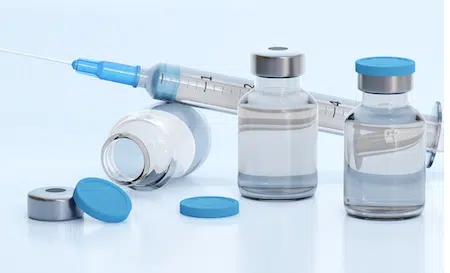
What it is: IV therapy delivers vitamins, minerals, and antioxidants directly into the bloodstream for better absorption.
Why it matters: Nutrient deficiencies are common in cancer patients, especially during chemotherapy and radiation. IV support may help replenish key nutrients like vitamin C, glutathione, zinc, selenium, and magnesium.
Potential benefits:
Improves tolerance to chemotherapy and radiation
Reduces inflammation and oxidative stress
Supports immune system and DNA repair
Enhances energy, mood, and quality of life
Safety note: IV therapy is considered safe when monitored by trained clinicians, but it should be used adjunctively and in coordination with oncology care.
As the global incidence of cancer continues to rise, patients are increasingly turning to integrative approaches that combine conventional treatment with complementary therapies to support healing and improve quality of life. One such adjunctive therapy gaining attention in the field of naturopathic oncological care is IV therapy for cancer patients, a targeted method of delivering high doses of vitamins, minerals, and antioxidants directly into the bloodstream.
What Is IV Therapy?
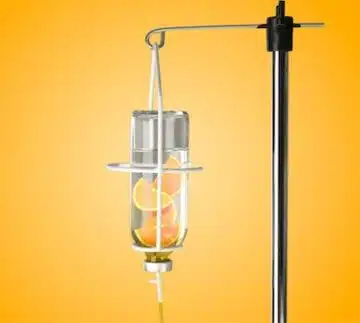
IV (intravenous) therapy bypasses the digestive system and delivers nutrients directly into the bloodstream, allowing for higher potencies and greater cellular absorption. This method can be particularly beneficial for cancer patients, who often experience malnutrition, gastrointestinal issues, or impaired absorption due to chemotherapy, radiation, or aid in fighting the cancer itself.
Learn more about IV Therapy in our blog post where we go in-depth. This is a non IV Therapy Cancer blog post, but still extremely helpful and informative.

Common Nutrients Used In Cancer-Related IV Therapy Include:
– High Dose Vitamin C
– B Vitamins
– Magnesium
The Role of IV Nutrients in Cancer Support
1. High-Dose Vitamin C (Ascorbate)
High-dose intravenous vitamin C has been widely studied for its potential anti-cancer effects. In pharmacologic doses (50–100 grams or more), vitamin C acts as a pro-oxidant, selectively generating hydrogen peroxide in the extracellular space, which may damage tumor cells while sparing healthy cells.
In addition to its cytotoxic effects, IV vitamin C may help:
- Improve quality of life and reduce chemotherapy-related side effects such as fatigue, nausea, and pain.
- Support immune function through collagen synthesis and antioxidant defense.
- Enhance the effectiveness of radiation and chemotherapy when used appropriately.
2. Glutathione and Detoxification
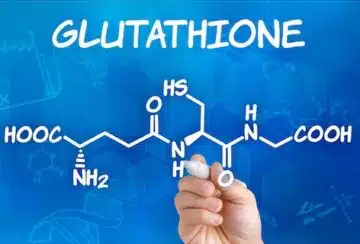
Glutathione is a master antioxidant critical for detoxification and immune modulation. Cancer patients often have depleted glutathione levels, especially after chemotherapy. IV glutathione may:
- Reduce oxidative stress and inflammation
- Protect the liver during detoxification of chemotherapy agents
- Support cognitive function and reduce chemo brain symptoms
3. Micronutrients and Immune Support
Zinc, selenium, and magnesium are frequently used in IV formulas to support immune surveillance, DNA repair, and enzymatic activity. These minerals may help:
- Decrease inflammation
- Improve tolerance to chemotherapy
- Improve recovery from surgery, chemotherapy and radiation, which depletes the body of these critical nutrients
- Correct nutrient deficiencies that are common in cancer patients

4. Ozone Therapy and Cellular Oxygenation
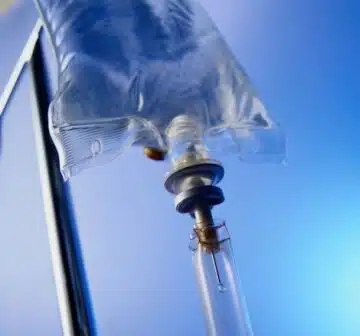
Intravenous ozone therapy is an amazing adjunctive treatment in integrative oncology that shows promise in supporting cancer patients by improving oxygen utilization, modulating the immune system, and reducing oxidative stress. Ozone (O₃), when administered intravenously in medical settings, has been shown to stimulate antioxidant defenses and enhance mitochondrial function—critical factors in cellular energy production and immune surveillance.
In cancer care, IV ozone may help:
- Improve fatigue
- Reduce inflammation
- Promote better tissue oxygenation, which can support normal cellular metabolism and immune resilience.
Additionally, studies suggest that ozone therapy may enhance the efficacy of chemotherapy and radiotherapy by sensitizing tumor cells to oxidative damage, while simultaneously protecting healthy cells through upregulation of antioxidant pathways8.
IV Therapy Safety Considerations
While generally well-tolerated, IV therapy should only be administered by licensed professionals trained in integrative oncology. Lab testing, including G6PD screening (prior to high-dose vitamin C), kidney function, and electrolyte monitoring, is essential to ensure safety.
Patients undergoing certain chemotherapeutic agents—such as methotrexate or platinum-based drugs—should consult closely with both their oncologist and naturopathic provider, as timing and dosing of nutrients may influence drug efficacy.
Emerging IV Therapy Research
Though more large-scale, randomized clinical trials are needed, a growing body of research supports the use of IV nutrient therapy in cancer care:
- A phase I/II study demonstrated that IV vitamin C was safe and well-tolerated in combination with chemotherapy for pancreatic cancer.
- A review of IV vitamin C studies concluded it may improve quality of life and reduce side effects when used adjunctively in various cancers.
IV nutrient therapy represents a valuable tool in the integrative treatment of cancer. By supporting nutritional status, immune function, and detoxification, it can help patients tolerate conventional treatments better and maintain a higher quality of life during a difficult journey.
If you or a loved one is undergoing cancer treatment, consider consulting with a licensed naturopathic doctor trained in working with cancer to explore how IV nutrient therapy could support your healing process.
Frequently Asked Questions about IV Therapy in Cancer Care
Question: Is IV nutrient therapy safe during chemotherapy or radiation?
Answer: When administered by trained clinicians, IV nutrient therapy is generally considered safe and can be used alongside conventional treatments. It’s important that your oncologist and naturopathic doctor coordinate care to ensure compatibility with your treatment plan.
Q: Which nutrients are most commonly used in IV therapy for cancer support?
Answer: Common nutrients include high-dose vitamin C, glutathione, zinc, selenium, and magnesium. These help reduce inflammation, support immune function, improve recovery, and replenish nutrient deficiencies common in cancer patients.
Q: Does IV vitamin C kill cancer cells?
Answer: Research shows that at pharmacological doses, IV vitamin C may create hydrogen peroxide in the extracellular space, which can be toxic to tumor cells. However, it is not a stand-alone cure and should be used as an adjunctive therapy in an integrative care plan.
Q: What benefits can patients expect from IV nutrient therapy?
Answer: Many patients report improved energy, reduced side effects from chemotherapy and radiation, better tolerance to treatment, and enhanced quality of life. Results vary depending on individual health needs and treatment goals.
Q: How is IV nutrient therapy personalized for each patient?
Answer: Before treatment, providers often check labs for vitamin levels, kidney and liver function, and overall health status. Based on these results, a personalized IV protocol is created to meet each patient’s unique needs.
IV Therapy References
- Chen Q, Espey MG, Sun AY, et al. Ascorbate in pharmacologic concentrations selectively generates ascorbate radical and hydrogen peroxide in extracellular fluid in vivo. PNAS. 2007;104(21):8749-8754. https://pubmed.ncbi.nlm.nih.gov/17502596/ ↩
- Vollbracht C, Schneider B, Leendert V, et al. Intravenous vitamin C administration improves quality of life in breast cancer patients during chemo-/radiotherapy and aftercare: results of a retrospective, multicentre, epidemiological cohort study in Germany. In Vivo. 2011;25(6):983-990. https://pubmed.ncbi.nlm.nih.gov/22021693/
- Monti DA, Mitchell E, Bazzan AJ, et al. Phase I evaluation of intravenous ascorbic acid in combination with gemcitabine and erlotinib in patients with metastatic pancreatic cancer. PLoS ONE. 2012;7(1):e29794. https://doi.org/10.1371/journal.pone.0029794 ↩
- Wanchu A, Khanna N, Kulkarni K, et al. Short-term high-dose glutathione therapy for AIDS-related wasting syndrome: a randomized, placebo-controlled, double-blind trial. Nutrition. 2012;28(7-8):677-681. https://pubmed.ncbi.nlm.nih.gov/22560461/
- Mayland CR, Bennett MI, Allan K. Vitamin C deficiency in cancer patients. Palliat Med. 2005;19(1):17-20. https://doi.org/10.1191/0269216305pm970oa
- Welsh JL, Wagner BA, van’t Erve TJ, et al. Pharmacological ascorbate with gemcitabine for the control of metastatic and node-positive pancreatic cancer (PACMAN): Results from a phase I clinical trial. Cancer Chemother Pharmacol. 2013;71(3):765-775. https://doi.org/10.1007/s00280-012-2071-4
- Fritz H, Flower G, Weeks L, et al. Intravenous vitamin C and cancer: a systematic review. Integr Cancer Ther. 2014;13(4):280-300. https://doi.org/10.1177/1534735414534463 ↩
The above information is not intended to diagnose or treat a disease and is not a substitute for appropriate medical care.
Ready to Explore IV Therapy?
At Regenerate Health Medical Center, our integrative team designs personalized IV therapy plans to support patients through cancer treatment and recovery. If you’re curious whether IV nutrient therapy may benefit you or a loved one: